
On Being Altered
A Meditation on Love's Quiet Tyranny

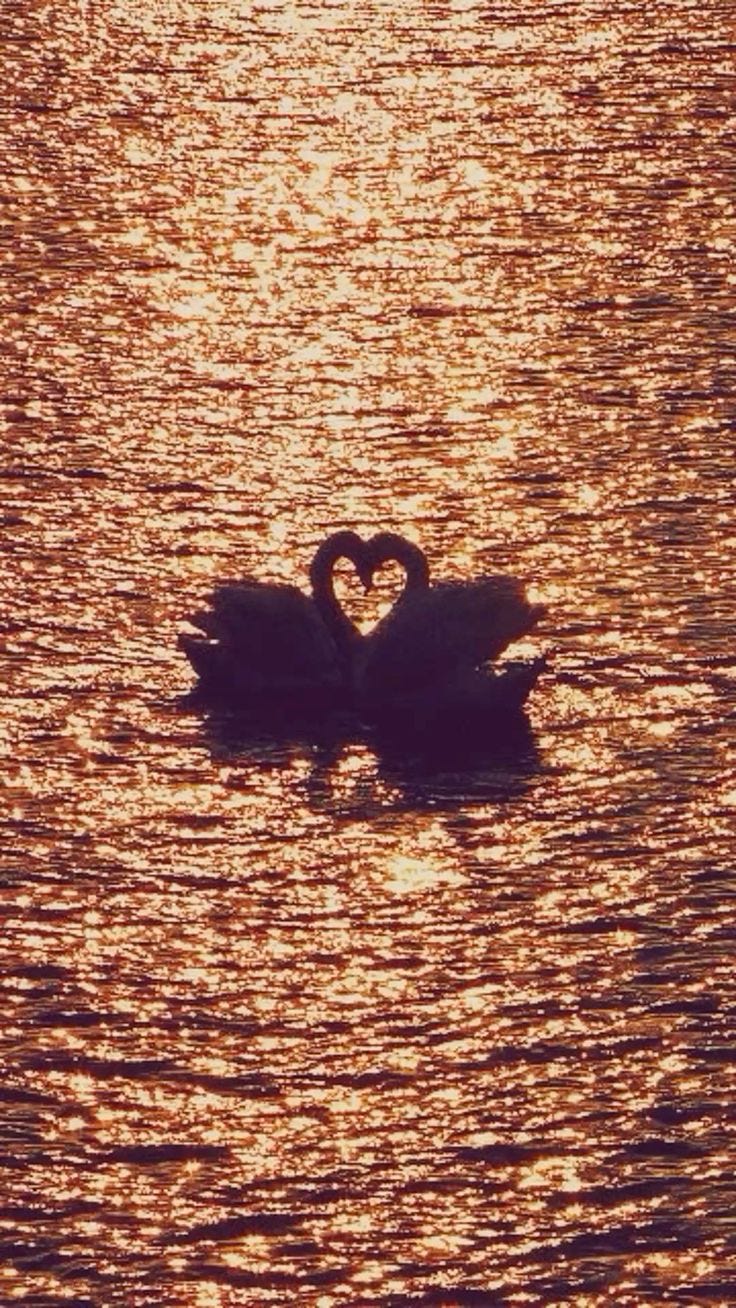
There is a particular vanity we all carry into love — the belief that we will remain, fundamentally, ourselves. That we will love and be loved and emerge from the whole affair essentially intact, perhaps slightly brightened, like silver that has been polished rather than melted. We speak of love as something we have, as though it were a possession one might set down on a shelf and return to at leisure. We do not speak — not honestly, not in polite company — of what love actually does, which is this: it finds the person you believed yourself to be, and it quietly dismantles them.
Not cruelly. That is the most disorienting part. It does not dismantle you with violence or argument or any method you might defend against. It simply arrives — through a voice, a name, a particular quality of attention — and from that point forward, certain things that were once true of you are no longer true, and certain things you did not know were possible in you have become not only possible but inevitable. You did not consent to this. You were not consulted. Love does not consult.
This is what no one tells you when they describe falling in love: that the falling is not metaphor. Something does fall. Some prior version of yourself — the one who did not yet know this person, who moved through the world unburdened by their specific gravity — that version falls away, and the extraordinary thing, the thing that stops you mid-thought on ordinary afternoons, is that you cannot quite remember what it felt like to be her. She feels like someone you have read about. Sympathetic, familiar, but no longer you.
Wilde understood transformation as the supreme art. He knew that the self is not a fixed point but a performance — and that love, when it is real, is the one audience that changes the nature of the performance entirely. Not because you perform for them, exactly — that would be too simple, too self-conscious a thing. But because being seen by them introduces you to registers of yourself you did not know you possessed. You become, under the specific light of their attention, more legible to yourself. More real, somehow, than you were before. As though their knowing you has made your own self-knowledge possible in a way it simply was not before they existed in your life.
And this is where the philosophy becomes uncomfortable, as all honest philosophy must eventually become: because if another person’s presence in your life has made you more yourself, what does their absence do? This is the question love sets like a trap, and springs only once it is too late to avoid it. You have been changed — genuinely, structurally changed — by someone whose daily presence you do not have. You carry their influence in how you read, how you feel, what you notice, what you find beautiful, what you find unbearable. They have rewritten, without asking, some essential grammar of your inner life. And there is nowhere to return it. There is no prior edition of yourself to go back to. The change is not a coat you were lent and must now give back. It is bone-deep. It is, by now, simply you.
What are we to make of this? The Stoics would counsel detachment, would speak of the wisdom of remaining unmoved. But the Stoics, one suspects, were not in love with anyone in particular. Philosophy in the abstract is always tidier than philosophy in the presence of a specific person. It is easy to remain unmoved when nothing is moving you. It is another matter entirely when someone has, by simply existing and being themselves, rearranged the furniture of your entire inner world and left you to navigate it in the dark.
And yet — and here Wilde would pause, would let the silence do its work, would trust that the reader can hold the tension — there is something we must not miss in all of this. The change is not a wound. Or rather, it is not only a wound. To be altered by love is also to be enlarged by it. The self that emerges from genuine love — even unrequited love, even patient love, even love that has not yet found its resolution — is a more capacious self than the one that existed before. More feeling. More awake. More aware of what it is capable of wanting and sustaining and enduring.
You are different now, yes. You did not choose it. But consider what the difference consists of: you know what it is to feel this specifically, this deeply, this stubbornly, for this particular person. That knowledge is yours now. It cannot be taken back. Whatever happens next — and something will, eventually, happen next, because the universe prefers movement to stasis and has its own ideas about timing — you will meet it as someone who has been shaped by a love worth being shaped by. And that is not nothing. That is, in fact, very far from nothing.
The person you were before did not know she could hold this much. Now she does.
That is what love has done to you, without asking. And perhaps, if you hold it gently and look at it without flinching, you will find that you do not entirely mind.
A sophisticated concise description yet genuine, controlled passion. You write as a horse ready to run chomping at the bit and on a loosened rein you RUN! Yes you certainly run to win! Excellent read. I happen to be smack dab in the middle of what you describe but oddly we’re both still here, thus far anyway. And no one has ever affected so much positive change in me, not sure its love that brought needed change, more so a releasing of sails, for his spirit is quietly powerful. Men are not typically taught how golden gentle silence can be.
Peace and strong health, AliceMae
This resonated deeply. Every friendship and love has altered who I am. Some with growth, others with pain. But each has impact which I carry forward.